On-Grid vs Off-Grid vs Hybrid: Which Solar Is Right?
How each type of solar system works, what it costs, whether it gets the subsidy, and whether it keeps the lights on in a power cut, with a simple way to decide.
 Rainbow Solar Energy Team
6 min read
Updated
Rainbow Solar Energy Team
6 min read
Updated
In this article
Key takeaways
- On-grid: lowest cost, net metering and subsidy, but no power during cuts.
- Hybrid: grid-connected with a battery, so you get savings and backup.
- Off-grid: fully independent with batteries; for sites with no or very weak grid.
- Most city homes choose on-grid; homes with frequent cuts choose hybrid.
There are three ways to set up rooftop solar, and the right one depends on two questions: how reliable is your grid supply, and how much do you need power during cuts?
Quick comparison
| On-grid | Hybrid | Off-grid | |
|---|---|---|---|
| Grid connection | Yes | Yes | No |
| Battery | No | Yes | Yes (essential) |
| Power during cuts | No | Yes, for backed-up loads | Yes |
| Net metering | Yes | Yes | No |
| PM Surya Ghar subsidy | Eligible | Solar part, depending on design | Not eligible |
| 3 kW price (indicative) | ₹1.7 – ₹1.9 lakh | ₹3.0 – ₹3.8 lakh with 5 kWh | ₹3.0 – ₹4.0 lakh |
| Maintenance | Lowest | Low (lithium) | Battery care needed |
Prices before subsidy. Hybrid and off-grid prices depend heavily on battery size.
On-grid: maximum savings, lowest cost
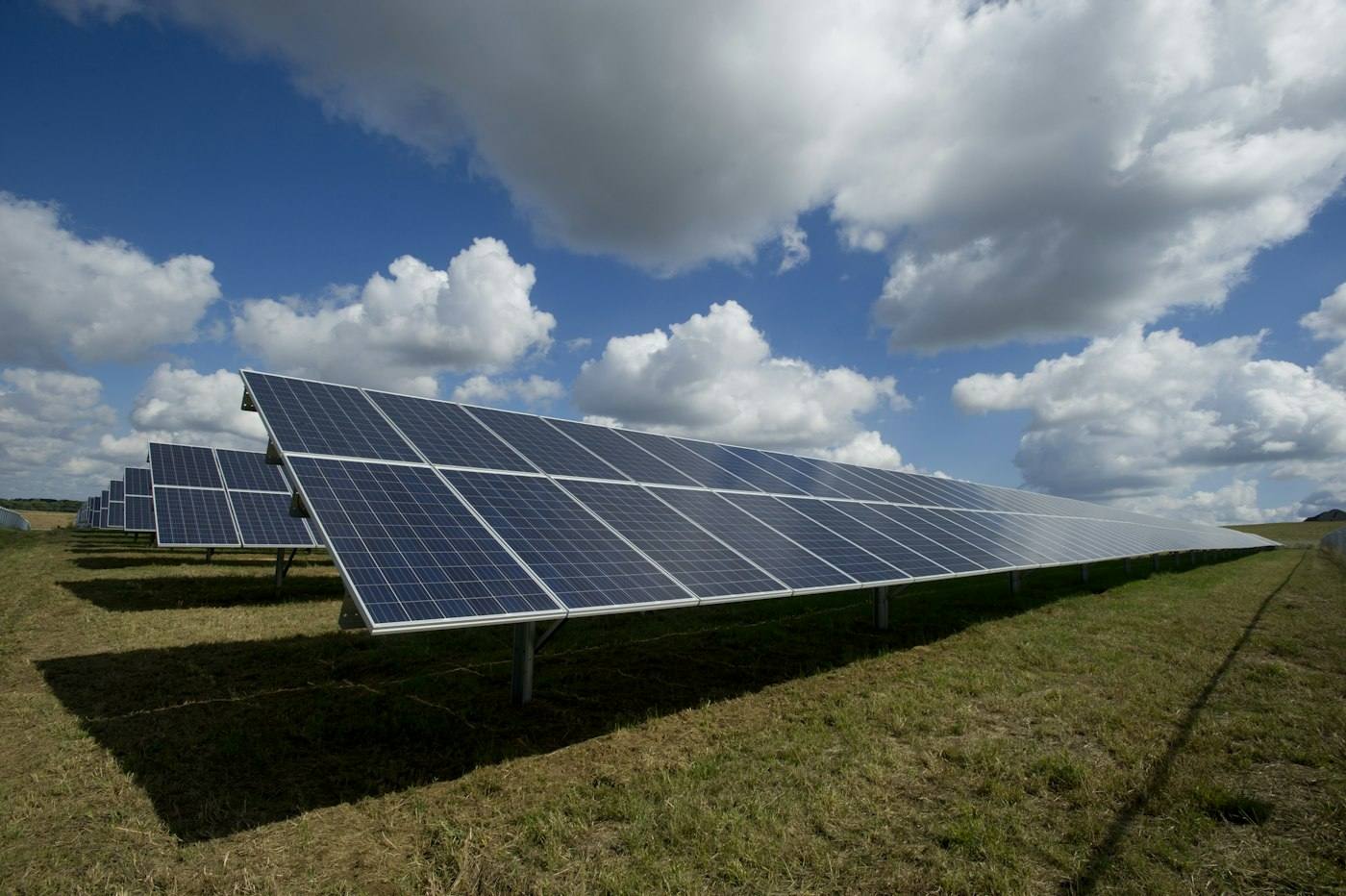
Panels feed your home and send surplus to the grid through a net meter. There's no battery, so it's the cheapest system and qualifies for the full subsidy. The trade-off: it switches off during power cuts for safety. Learn more on our on-grid solar page.
Hybrid: savings plus backup
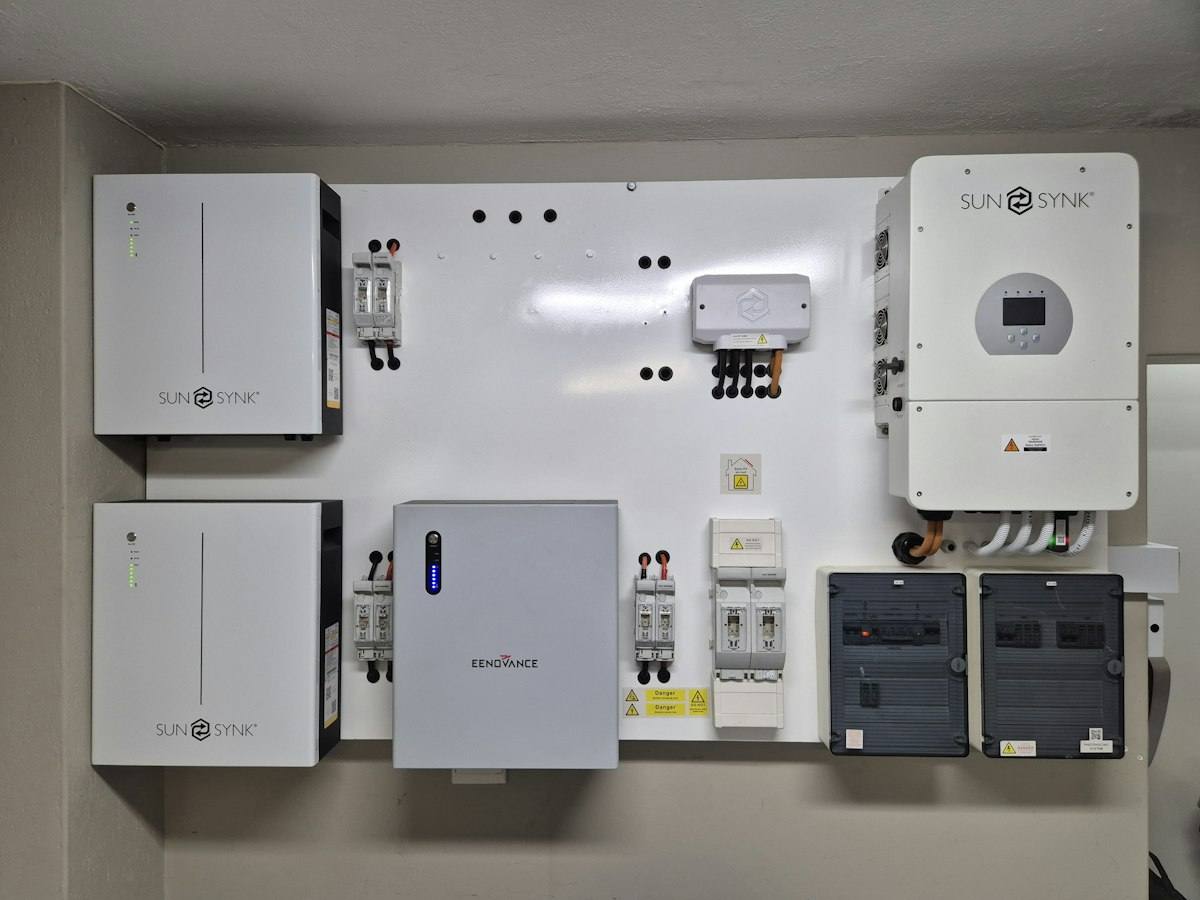
A hybrid inverter manages panels, battery and grid together. You keep net metering savings, and when the grid fails the battery takes over your essential circuits in milliseconds. It's the best fit for homes and shops with frequent cuts. See hybrid solar.
Off-grid: power without the grid
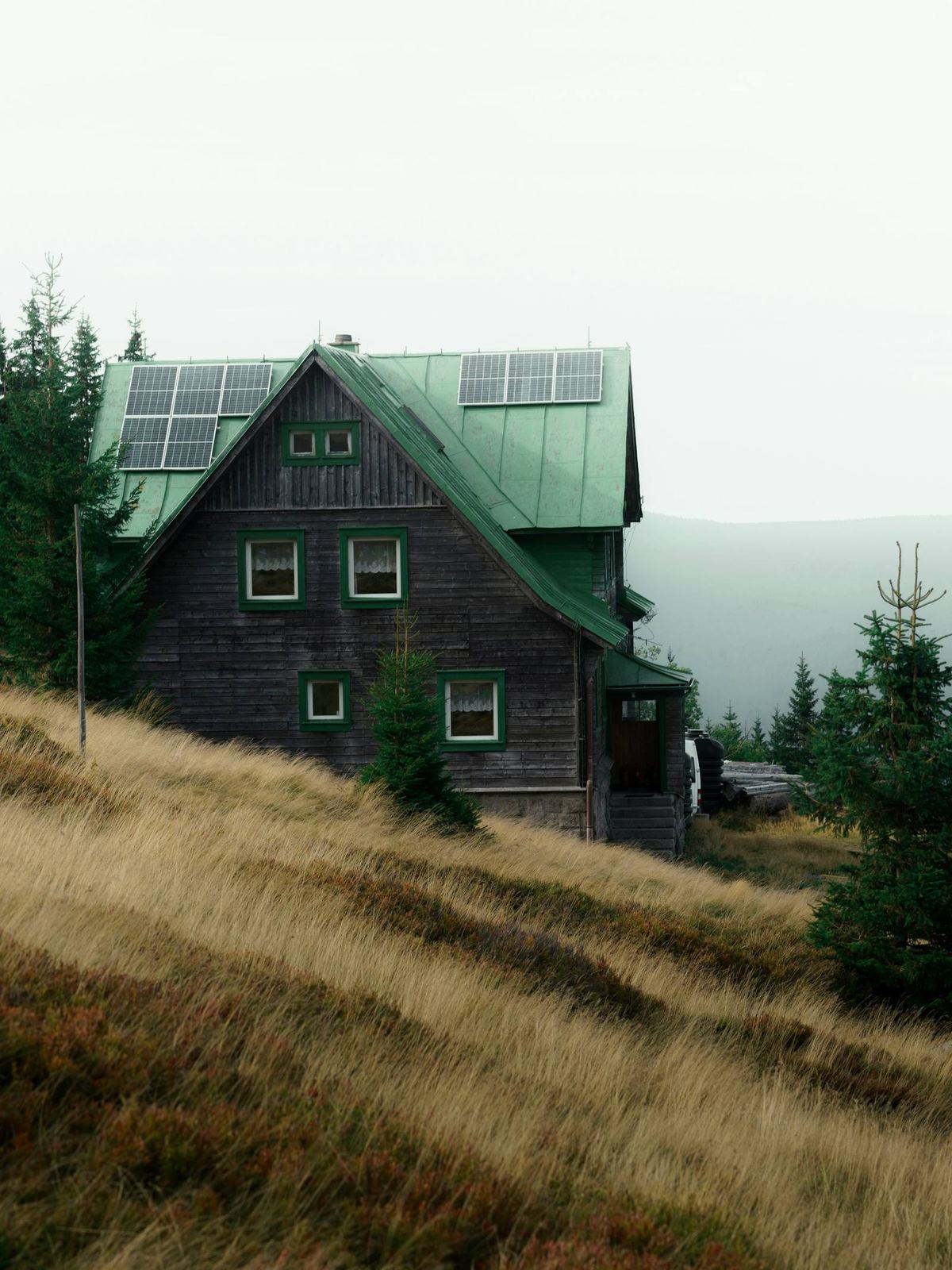
Everything runs from panels and batteries, with no grid connection. It's designed for farms, remote homes and sites where the grid is unavailable or very unreliable. It needs bigger batteries and careful sizing, and it doesn't get net metering or the home subsidy. See off-grid solar.
Already have a home inverter/UPS? An on-grid system plus your existing UPS gives bill savings and basic backup at the lowest cost.
How to decide in 30 seconds
| Your situation | Best choice |
|---|---|
| City home, power cuts are rare or short | On-grid |
| Frequent cuts, work from home, elderly family | Hybrid |
| Already own a good UPS | On-grid + existing UPS |
| Farm, remote site or no grid connection | Off-grid |
| Business with costly downtime | Hybrid (critical loads) |
Not sure which system you need?
Our engineer reviews your bill, power cuts and roof, and recommends the right type.
For battery sizing and costs, read solar + battery for Tamil Nadu power cuts.
Written by our solar engineers and subsidy specialists, who design and install rooftop systems for homes, societies and businesses across Tamil Nadu. Figures are indicative and reviewed regularly; your free site survey gives exact numbers for your roof.