Tier-1 solar panels
High-efficiency, ALMM-listed mono-PERC or TOPCon modules with a 30-year performance warranty.
Your panels power your home during the day, and surplus units flow to the grid through a net meter and are credited to your bill. No batteries to buy or maintain.
And save up to ₹78,000 + ₹22,000 with subsidy
An on-grid (grid-tied) system connects your rooftop panels to your home and to the electricity grid at the same time. During the day you use solar power first. Any extra units are exported to the grid through a bi-directional net meter, and at night or on cloudy days you draw from the grid as usual. Your bill is calculated on the net units, so it falls sharply.
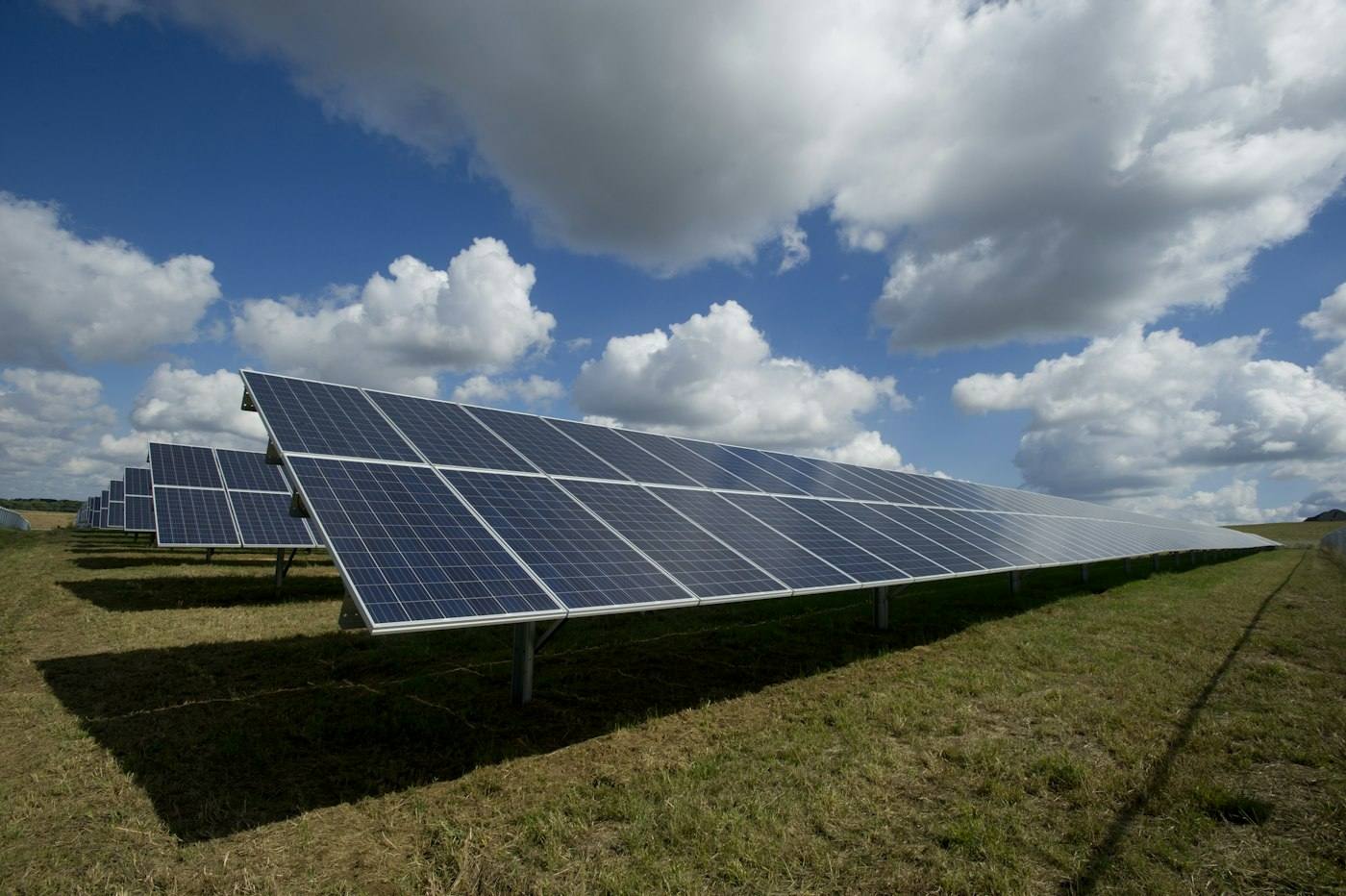
Five simple steps from sunlight to a smaller bill.
High-efficiency, ALMM-listed mono-PERC or TOPCon modules with a 30-year performance warranty.
Converts DC to AC and syncs with the grid, with live monitoring through a mobile app.
Bi-directional meter installed by your DISCOM. We file the application for you.
Hot-dip galvanised structure designed for local wind loads, with elevated options.
Earthing, lightning arrester, DC/AC protection boxes and quality cabling.
DISCOM approval, net metering and PM Surya Ghar subsidy paperwork, all handled.
A quick guide for homes. Your engineer confirms the exact size after the free site survey.
| Monthly bill | System size | Roof space | Govt. subsidy | Est. monthly savings |
|---|---|---|---|---|
| ₹1,000 – ₹1,500 | 1–2 kW | 100–200 sq ft | ₹30,000 – ₹60,000 | ₹900 – ₹1,800 |
| ₹1,500 – ₹2,500 | 2–3 kW | 200–300 sq ft | ₹60,000 – ₹1,00,000 (₹78,000 + ₹22,000) | ₹1,800 – ₹2,600 |
| ₹2,500 – ₹4,000 | 3–4 kW | 300–400 sq ft | ₹78,000 + ₹22,000 | ₹2,600 – ₹3,500 |
| ₹4,000 – ₹8,000 | 5–7 kW | 500–700 sq ft | ₹78,000 + ₹22,000 | ₹4,000 – ₹6,500 |
Not sure which is right for you? Here's how the three system types compare.
| On-grid | Off-grid | Hybrid | |
|---|---|---|---|
| Connected to the grid | Yes | No | Yes |
| Battery | No | Yes (essential) | Yes |
| Power during outages | No (shuts down for safety) | Yes | Yes, for backed-up loads |
| Net metering | Yes | No | Yes |
| PM Surya Ghar subsidy (homes) | Eligible | Not eligible | Ask us: depends on configuration |
| Upfront cost | Lowest | Highest | Medium–high |
| Best for | Most city homes & businesses with reliable grid | Remote sites, farms, no or very weak grid | Homes & shops with frequent power cuts |